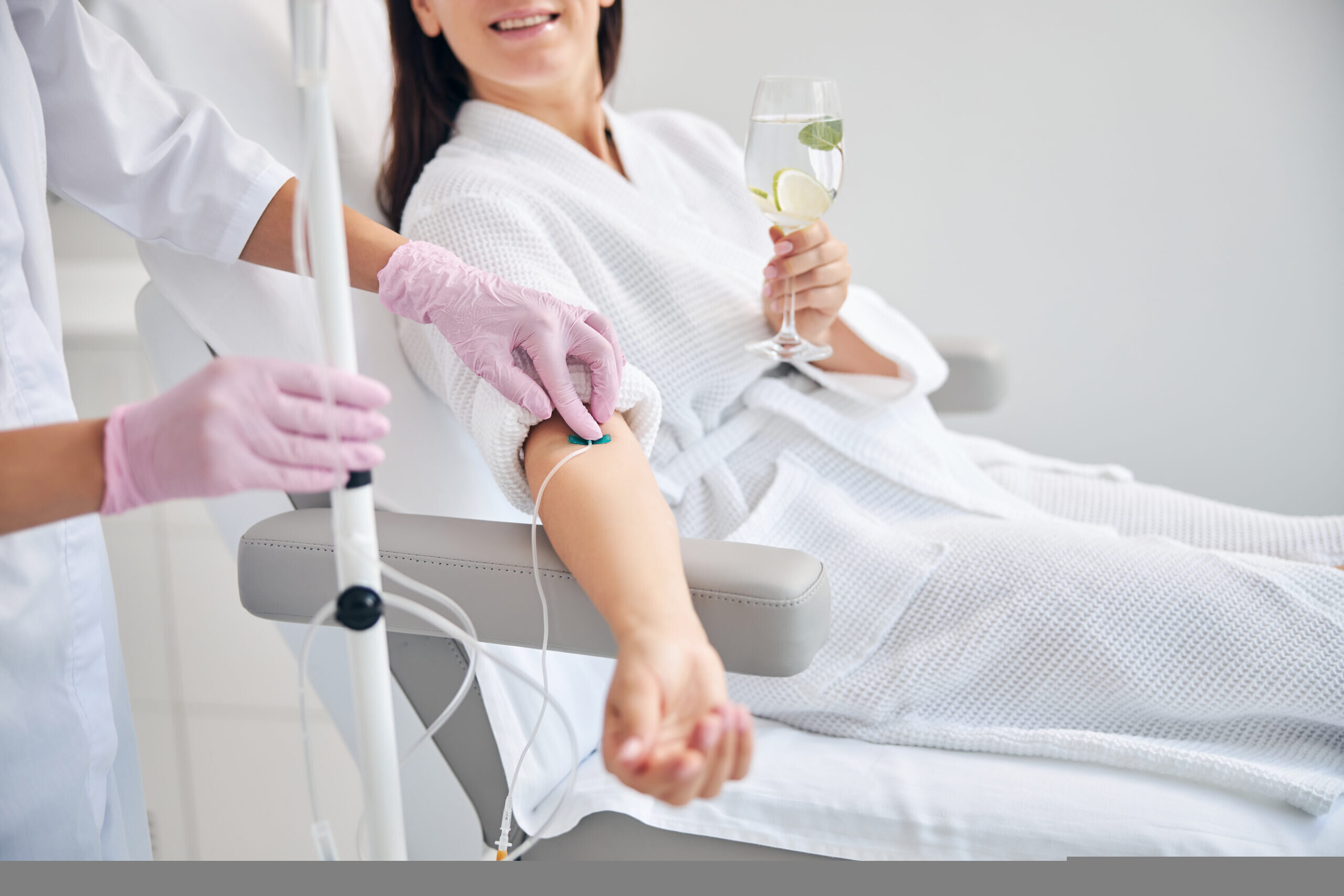
Welcome to an article exploring the benefits of IV therapy in maintaining optimal health. Intravenous (IV) therapy has gained popularity in recent years as a powerful tool for boosting energy, improving hydration, and enhancing overall well-being. Whether you are looking to recover from a long night out, boost your immune system, or simply rejuvenate your body, IV therapy offers a convenient and effective solution. Let’s dive into the various benefits of this innovative treatment and how it can help you feel your best.
The Importance of IV IM Health
When it comes to maintaining optimal health, ensuring that our bodies receive the necessary vitamins and minerals is essential. Intravenous (IV) and Intramuscular (IM) therapies have become increasingly popular in recent years as a method for delivering these essential nutrients directly into the bloodstream. The importance of IV IM health cannot be overstated, as these therapies offer numerous benefits that can have a profound impact on overall well-being.
One of the key reasons why IV IM health is so important is the efficiency with which nutrients are delivered to the body. When vitamins and minerals are taken orally, they must first pass through the digestive system before being absorbed into the bloodstream. This process can result in reduced bioavailability, meaning that the body may not be able to fully utilize all of the nutrients it receives. IV IM therapies bypass the digestive system entirely, allowing for maximum absorption and ensuring that the body receives the full benefit of the nutrients being administered.
Additionally, IV IM therapies offer a faster and more effective way of replenishing essential nutrients in the body. For individuals who are suffering from nutrient deficiencies or are unable to absorb nutrients properly through food or supplements, IV IM therapies can provide a quick and efficient solution. By delivering vitamins and minerals directly into the bloodstream, these therapies can help to restore balance in the body and support overall health and well-being.
Another important aspect of IV IM health is the customization and personalization that these therapies offer. Everyone’s nutritional needs are different, and IV IM therapies can be tailored to meet the specific needs of each individual. Whether someone is looking to boost their immune system, improve their energy levels, or support their overall health, IV IM therapies can be customized to address their unique requirements. This personalized approach ensures that individuals receive the nutrients they need in the most effective way possible.
Furthermore, IV IM therapies can be beneficial for individuals who have certain health conditions or lifestyle factors that may impact their ability to absorb nutrients. Conditions such as digestive disorders, food sensitivities, stress, and aging can all affect nutrient absorption, making it challenging for individuals to meet their daily nutritional needs. IV IM therapies offer a way to bypass these obstacles and provide the body with the nutrients it requires to function optimally.
In conclusion, the importance of IV IM health cannot be understated. These therapies offer a fast, efficient, and customized way of delivering essential nutrients to the body, helping to support overall health and well-being. By bypassing the digestive system and delivering nutrients directly into the bloodstream, IV IM therapies ensure maximum absorption and effectiveness, making them an invaluable tool for maintaining optimal health.
Common Symptoms of IV IM Health Issues
When it comes to IV IM Health issues, there are a variety of common symptoms that individuals may experience. These symptoms can vary depending on the specific health issue, but there are some general signs to look out for. Here are some common symptoms associated with IV IM Health problems:
1. Fatigue: Feeling constantly tired and lacking energy is a common symptom of IV IM Health issues. This can be due to a lack of essential vitamins and nutrients in the body, leading to decreased energy levels.
2. Weakness: Individuals experiencing IV IM Health problems may also feel weak and lethargic. This weakness can make it difficult to perform daily tasks and may be accompanied by muscle aches and pains. It is important to address weakness and fatigue promptly to prevent further health complications.
3. Dizziness: Feeling lightheaded or dizzy is another common symptom of IV IM Health issues. This can be due to a lack of sufficient blood flow or oxygen to the brain, leading to feelings of instability and disorientation.
4. Pale skin: Individuals with IV IM Health issues may also exhibit pale or yellowish skin. This can be a sign of anemia, which is a condition characterized by a lack of red blood cells or hemoglobin in the bloodstream. Anemia can lead to fatigue, weakness, and other health complications if left untreated.
5. Shortness of breath: Difficulty breathing or shortness of breath can also be a symptom of IV IM Health problems. This can be due to a lack of sufficient oxygen in the bloodstream, leading to feelings of breathlessness and discomfort.
6. Frequent infections: Individuals with IV IM Health issues may also experience frequent infections due to a weakened immune system. This can make it difficult for the body to fight off bacteria and viruses, leading to recurrent illnesses such as colds, flu, and other infections.
7. Numbness or tingling: Numbness or tingling sensations in the hands, feet, or other parts of the body can also be a symptom of IV IM Health problems. This can be due to nerve damage or poor circulation, leading to feelings of numbness, tingling, or pins and needles.
8. Irritability or mood swings: Individuals with IV IM Health issues may also experience irritability, mood swings, or changes in behavior. This can be due to hormonal imbalances, nutrient deficiencies, or other factors affecting mental and emotional well-being.
Overall, it is important to pay attention to these common symptoms of IV IM Health issues and seek medical attention if you are experiencing any of these signs. Early diagnosis and treatment can help prevent further complications and improve overall health and well-being.
Treatment Options for IV IM Health Conditions
When it comes to treating IV IM health conditions, there are several options available depending on the specific illness being addressed. These treatment options may include medications, lifestyle changes, therapy, and in some cases, surgery. Let’s take a closer look at some of the common treatment options for IV IM health conditions:
- Medications: One of the most common forms of treatment for IV IM health conditions is the use of medications. Depending on the condition, medications may be used to help manage symptoms, reduce inflammation, or target the underlying cause of the illness. For example, patients with autoimmune disorders may be prescribed immunosuppressants to help control their symptoms, while those with infections may be given antibiotics to fight off the invading pathogens.
- Lifestyle Changes: In addition to medications, lifestyle changes can also play a significant role in managing IV IM health conditions. This may include following a specific diet, getting regular exercise, quitting smoking, reducing stress, and maintaining a healthy weight. These changes can help improve overall health and well-being, as well as potentially reduce the severity of symptoms associated with IV IM conditions.
- Therapy: For some individuals, therapy may be recommended as part of their treatment plan for IV IM health conditions. This can include physical therapy to help improve mobility and strength, occupational therapy to assist with daily tasks, or cognitive-behavioral therapy to address mental health concerns. Therapy can be a valuable tool in helping individuals manage their symptoms and improve their quality of life.
- Surgery: In some cases, surgery may be necessary to treat IV IM health conditions. This may involve removing damaged tissue, repairing a joint or muscle, or addressing an underlying structural issue causing symptoms. Surgery is typically considered a last resort option and is only recommended when other treatments have been unsuccessful in managing the condition.
It is important for individuals with IV IM health conditions to work closely with their healthcare provider to develop a personalized treatment plan that meets their specific needs and goals. By exploring the various treatment options available and making informed decisions about their care, individuals can take control of their health and work towards improving their quality of life.
Prevention Strategies for IV IM Health Concerns
When it comes to maintaining good IV IM health, prevention is key. There are several strategies that can be implemented to minimize the risk of health concerns related to IV IM treatments. Here are some effective prevention strategies to keep in mind:
1. Proper Hygiene: Ensuring proper hygiene practices are followed is essential to prevent infections and other health complications. This includes washing hands thoroughly before and after handling IV IM equipment, as well as keeping the treatment area clean and sanitized.
2. Sterile Equipment: Using sterile equipment is crucial to prevent contamination and reduce the risk of infections. It is important to always check the expiration date of IV IM equipment and make sure it is properly sterilized before each use.
3. Regular Monitoring: Regular monitoring of IV IM treatments and the patient’s condition is essential to detect any potential issues early on. This can help prevent complications and ensure that the treatment is effective and safe.
4. Proper Training and Education: One of the most important prevention strategies for IV IM health concerns is ensuring that healthcare professionals are properly trained and educated on the correct procedures and protocols. This includes understanding the risks associated with IV IM treatments, proper administration techniques, and how to recognize and respond to any potential complications.
Healthcare providers should also educate patients on the importance of following treatment guidelines, reporting any unusual symptoms or side effects, and how to care for themselves post-treatment. Patients should be empowered to ask questions and seek clarification on their treatment plan to ensure they are well-informed and actively involved in their care.
5. Nutritious Diet and Hydration: Maintaining a nutritious diet and staying hydrated can help support overall health and improve the effectiveness of IV IM treatments. Nutrient-rich foods can help boost the immune system and promote healing, while proper hydration can help flush out toxins and support proper circulation.
6. Communication and Collaboration: Open communication and collaboration between healthcare providers, patients, and caregivers are essential to prevent IV IM health concerns. This includes sharing relevant information, updating medical records, and working together to identify and address any potential issues that may arise during treatment.
By implementing these prevention strategies, healthcare providers can help ensure the safety and effectiveness of IV IM treatments, minimize the risk of complications, and promote overall health and well-being for patients receiving these therapies.
Support and Resources for Individuals with IV IM Health Disorders
Having an IV IM health disorder can be challenging, but there are support systems and resources available to help individuals cope with their condition. One important resource is support groups, where individuals can connect with others who are going through similar experiences. These groups provide a sense of community and understanding that can be invaluable in managing the emotional impact of an IV IM health disorder.
Therapy and counseling are also crucial resources for individuals with IV IM health disorders. A trained therapist can provide tools and techniques to manage symptoms and improve quality of life. Therapy can help individuals process their emotions, develop coping strategies, and navigate the complexities of living with an IV IM health disorder.
Medical professionals are another essential source of support for individuals with IV IM health disorders. Doctors, nurses, and other healthcare providers can offer guidance on treatment options, medication management, and lifestyle changes that can improve overall health and well-being. Regular check-ups and monitoring can help individuals stay on top of their condition and make necessary adjustments to their care plan.
Online resources and information hubs can be valuable tools for individuals with IV IM health disorders. Websites, forums, and social media groups can provide a wealth of information on the latest research, treatment options, and lifestyle tips for managing an IV IM health disorder. These platforms also offer a space for individuals to share their experiences, ask questions, and connect with others who understand what they are going through.
Support helplines and hotlines are resources that individuals with IV IM health disorders can turn to in times of need. These services offer confidential and immediate support for individuals who may be struggling with their condition or experiencing a crisis. Trained operators can provide guidance, referrals, and a listening ear to help individuals navigate difficult situations and find the support they need.