Welcome to our guide on health care administration salaries! If you’re curious about how much professionals in this field typically earn, you’ve come to the right place. Whether you’re considering a career in health care administration or simply want to stay informed, we’ll break down the average salary for this important and growing industry.
Average Salary for Health Care Administrators
Health care administration is a vital field that combines business and healthcare to ensure that medical facilities run smoothly and efficiently. Health care administrators are responsible for overseeing operations, managing staff, budgeting, and ensuring compliance with regulations. With such crucial responsibilities, it’s no wonder that health care administrators are well-compensated for their work.
According to the Bureau of Labor Statistics, the average salary for health care administrators in the United States is around $100,000 per year. However, this number can vary depending on several factors such as location, years of experience, level of education, and the size of the facility they work in.
Health care administrators working in metropolitan areas tend to earn higher salaries than those in rural areas. This is often due to the higher cost of living in cities, as well as the increased demand for skilled administrators in urban settings. In addition, health care administrators with more years of experience typically earn higher salaries, as their expertise and knowledge are highly valued by employers.
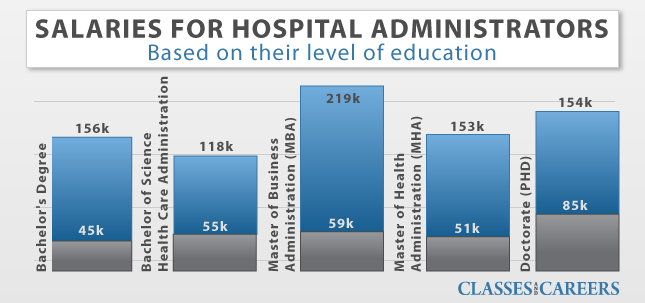
Education also plays a significant role in determining the salary of a health care administrator. Those with advanced degrees such as a Master’s in Health Care Administration or an MBA tend to earn more than those with just a Bachelor’s degree. This is because advanced degrees allow administrators to specialize in specific areas of health care management and demonstrate a higher level of expertise.
Furthermore, the size of the facility where a health care administrator works can also impact their salary. Administrators at larger hospitals or health systems typically earn more than those at smaller clinics or physician practices. This is because the scope of their responsibilities is often greater in larger facilities, requiring more advanced skills and leadership abilities.
In conclusion, the average salary for health care administrators is around $100,000 per year, but this number can vary based on factors such as location, experience, education, and the size of the facility they work in. With a growing demand for qualified administrators in the healthcare industry, the salary outlook for health care administrators is promising, making it a rewarding career choice for those interested in both business and healthcare.
Factors Affecting Salary in Health Care Administration
When it comes to determining the salary for health care administrators, there are several factors that come into play. These factors can significantly impact how much someone in this position earns, and they can vary depending on the specific job role, location, and level of experience. Let’s take a closer look at the key factors that affect salary in health care administration:
1. Education and Qualifications: One of the most critical factors that influence salary in health care administration is the level of education and qualifications that an individual possesses. Typically, those with advanced degrees such as a Master’s in Health Administration or a related field are likely to earn higher salaries than those with just a bachelor’s degree. Additionally, certifications in health care management can also lead to higher pay rates.
2. Experience: Another significant factor that can impact salary in health care administration is the level of experience that an individual has in the field. Typically, those with several years of experience in health care administration are likely to earn higher salaries than those who are just starting out in their careers. This is because experienced professionals bring a wealth of knowledge and expertise to their role, which can be invaluable to employers.
3. Job Role and Responsibilities: The specific job role and responsibilities that a health care administrator has can also affect their salary. Those in higher-level positions such as Chief Executive Officer (CEO) or Chief Operating Officer (COO) are likely to earn higher salaries than those in entry-level or mid-level roles. Additionally, individuals who take on additional responsibilities or work in specialized areas such as finance or operations may also see an increase in their salary.
4. Location: The location in which a health care administrator works can also impact their salary. Generally, urban areas and regions with higher costs of living tend to offer higher salaries for health care administrators compared to rural areas. This is because employers in urban areas often need to offer higher wages to attract top talent and remain competitive in the market.
5. Organization Size: The size of the organization that a health care administrator works for can also play a role in determining their salary. Larger health care organizations or hospitals may have more resources available to offer higher salaries to their employees, while smaller facilities may have more limited budgets to work with. Additionally, the financial health of the organization and its overall success can also impact salary levels for health care administrators.
Overall, there are several factors that can affect the salary for health care administrators. By considering these key factors such as education, experience, job role, location, and organization size, individuals can better understand how their salary is determined in the field of health care administration.
Salary Trends in the Health Care Industry
In recent years, the health care industry has seen a significant increase in salaries for health care administrators. With the demand for qualified professionals in this field on the rise, salaries have been steadily climbing to attract and retain top talent. According to the Bureau of Labor Statistics, the median annual wage for medical and health services managers was $100,980 in May 2020.
One of the factors contributing to the rise in salaries for health care administrators is the increasing complexity of the health care system. As technology advances and new regulations are introduced, the need for skilled professionals who can navigate the evolving landscape of health care becomes even more crucial. This has led to higher salaries for those with the expertise and experience to manage health care organizations effectively.
Another reason for the increase in salaries for health care administrators is the growing focus on quality and efficiency in health care delivery. As health care organizations strive to provide better patient outcomes while also controlling costs, there is a greater demand for administrators who can implement strategies to improve the overall performance of the organization. This has resulted in higher salaries for those who can demonstrate their ability to drive positive change within their organizations.
Additionally, the aging population and the prevalence of chronic diseases have further fueled the demand for health care services, leading to an increased need for health care administrators to oversee the delivery of care. With the Baby Boomer generation reaching retirement age and requiring more medical attention, health care administrators play a vital role in ensuring that health care services are accessible and of high quality for all patients.
Overall, the salary trends in the health care industry reflect the growing importance of health care administrators in today’s rapidly changing health care environment. As the demand for skilled professionals continues to rise, salaries are expected to increase further to attract and retain top talent in the field. With opportunities for career advancement and competitive salaries, health care administration is an exciting and rewarding career path for those interested in making a difference in the delivery of health care services.
Strategies for Negotiating a Higher Salary in Health Care Administration
When it comes to negotiating a higher salary in the field of health care administration, there are several strategies that can help you secure the compensation you deserve. Whether you are applying for a new position or seeking a raise in your current role, it is important to be prepared and confident in your negotiation tactics. Here are some tips to help you successfully negotiate a higher salary in health care administration.
1. Do Your Research: Before entering into negotiations, take the time to research the average salary range for health care administrators in your region. This will give you a realistic idea of what you should be earning based on your experience and qualifications. Websites such as Glassdoor and Salary.com can provide valuable salary data to help you make an informed decision.
2. Highlight Your Accomplishments: During the negotiation process, be sure to highlight your accomplishments and the value you bring to the organization. Whether you have successfully implemented cost-saving measures, improved patient satisfaction scores, or increased efficiency in operations, showcase your achievements to demonstrate why you deserve a higher salary.
3. Practice Your Pitch: Before meeting with your employer to discuss salary, practice your pitch to ensure you are clear, concise, and confident in your request. Be prepared to articulate why you believe you deserve a higher salary and how it aligns with your contributions to the organization.
4. Be Willing to Negotiate: It is important to approach salary negotiations with an open mind and be willing to compromise. While it is important to advocate for yourself and your worth, be prepared to negotiate a salary that both you and your employer are comfortable with. Be open to discussing other forms of compensation, such as bonuses, benefits, or professional development opportunities, if a higher salary is not immediately feasible.
In conclusion, negotiating a higher salary in health care administration requires preparation, confidence, and effective communication. By researching salary data, highlighting your accomplishments, practicing your pitch, and being open to negotiation, you can successfully secure the salary you deserve in your role as a health care administrator.
Benefits and Perks for Health Care Administrators
Health care administrators play a crucial role in ensuring that hospitals, clinics, and other health care facilities run smoothly and efficiently. As such, they are often rewarded with a competitive salary that reflects their level of responsibility and the importance of their role within the organization. In addition to a generous salary, health care administrators often enjoy a range of benefits and perks that make their job even more rewarding.
One of the most common benefits for health care administrators is health insurance. Given their role in the health care industry, it is only fitting that they have access to comprehensive health coverage for themselves and their families. This not only ensures that they are able to take care of their own health needs, but also gives them peace of mind knowing that they are covered in case of illness or injury.
Another popular perk for health care administrators is retirement savings plans. Many organizations offer their employees the opportunity to participate in a 401(k) or similar retirement savings plan, allowing them to save for the future while also enjoying tax benefits. This can be especially important for health care administrators, who often work long hours and may not have the time or energy to focus on retirement planning outside of work.
Flexible work schedules are also a common perk for health care administrators. In a demanding field like health care administration, having the ability to adjust your work schedule to accommodate personal or family obligations can make a big difference in maintaining a healthy work-life balance. Whether it’s working remotely, adjusting your hours, or taking advantage of paid time off, flexible work schedules can help health care administrators stay happy and productive in their roles.
Professional development opportunities are another valuable benefit for health care administrators. Many organizations offer tuition reimbursement, continuing education courses, or opportunities for professional certifications to help their employees stay current on industry trends and advancements. This not only benefits the individual health care administrator, but also the organization as a whole, as knowledgeable and skilled employees are better equipped to navigate the complexities of the health care industry.
Finally, some health care administrators may also enjoy perks such as gym memberships, wellness programs, or discounts on health-related products and services. These perks can help promote a healthy lifestyle and encourage employees to prioritize their own well-being, which can ultimately lead to increased job satisfaction and productivity.